Forty Channels, One Plug Socket: The Quiet Diplomacy of Hackney's Tech Riders
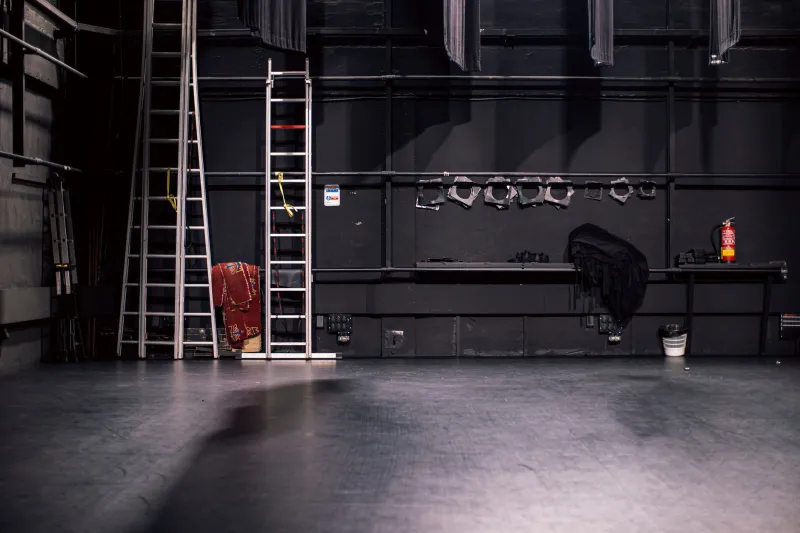
The email lands at 11.17pm on a Tuesday. Attached is a 34-page PDF, a stage plot drawn in what looks like MS Paint, and a polite note that begins: “We know this is a lot, but…” On the other end is a room off Mare Street with a 70-cap, a lighting desk from the previous decade and one very loyal radiator.
This is the moment the tech rider stops being a document and becomes a conversation. And in Hackney, where ambitious shows routinely squeeze into rooms the size of a decent living room, that conversation is where the real work happens.
The document that arrives before the show
A rider is meant to be a factual list: what a company needs, what it brings, what it expects the venue to supply. In practice it's closer to a wish list written by someone who has been burned before. There's the input list, the stage plot, the lighting notes, the hospitality section, the access requirements, the get-out plan. Sometimes there's a paragraph about what happened at the last venue, which is usually the most useful bit.
“You can tell a lot about a company from how they write their rider,” says Priya, a freelance technician who works across rooms in Dalston and Hackney Wick. “If it's honest about what they can't afford, we can usually find a way. If it's written for a 400-cap theatre and they're playing a basement, we've got a different job on our hands.”
That job is translation. A touring comic's rider might ask for a full band setup, a 12-way dimmer rack and a monitor mix they can hear over a crowd that is, frankly, louder than any band. The room has four channels, two working XLRs and a smoke alarm that goes off if you look at it wrong. The tech's task isn't to say no. It's to work out which three things on that list actually matter, and how to make them happen.
Translating ambition into a room the size of a bus
“The rider is a fantasy document,” says Sam, who runs tech at a 90-cap room in Hackney Wick. “My job is to turn the fantasy into a plan. You want a warm wash and a special on the mic? Fine. You want haze? Let's talk about the alarm. You want two radio mics and a playback laptop? We can do that, but someone has to stand by the desk the whole time, and that someone is me.”
The best riders, techs say, are the ones that distinguish between need and nice. A fringe company might need two working DI boxes and a clear sightline to the stage. They might like a full LED rig. The rider that lists both as non-negotiable tells the venue that the company hasn't yet had the conversation with itself about money, space or time.
That conversation is often about budget, and it's rarely comfortable. A small company paying £1,800 for a week's run cannot also afford a technician for every performance, a full lighting design and a get-out crew. The rider that pretends otherwise puts the venue in the position of either quietly absorbing the cost or disappointing the company on the day. Neither is good.
“We've started asking people to send a one-page summary alongside the full rider,” Priya says. “Top three needs, top three wants, and what you'd do if we could only do one. It saves everyone a week of email.”
The honesty clause
What techs describe, repeatedly, is trust. A rider is a small act of vulnerability: here is what I need to do my work, here is what I'm scared will go wrong, here is what I'm bringing. When a company is upfront about its budget and its limits, the room can usually meet them. When a rider is inflated, everyone spends the day guessing.
There's a progressive argument buried in all this, and it's about who gets to be ambitious. Small rooms in Hackney are full of artists who have been told their ideas are too big for the space, the budget or the audience. A good tech rider, handled well, is a way of saying: not too big, just differently shaped. The ambition survives; the plan changes.
It also cuts the other way. Venues have a responsibility to be honest about what they can't do, early, in writing. A rider sent into a void and answered with silence is a small cruelty. The techs who are good at this are the ones who reply within 48 hours, list what's possible, flag what isn't, and offer a phone call.
Access isn't an appendix
One of the quiet shifts in recent years is the way access information has moved out of the footnotes. Riders now routinely include step-free access requirements, BSL interpretation needs, quiet-space requests and sensory considerations. For a Hackney audience that is more vocal than most about who gets to be in the room, that matters.
But access on a rider is only useful if the venue reads it properly. A line asking for a step-free route to the stage is not a preference; it's a condition of someone doing their job. A request for a chill-out space isn't diva behaviour; it's how a performer with anxiety or chronic pain gets through a two-show day. Techs who treat these as part of the production plan, rather than an afterthought, tend to have calmer shows and happier companies.
“The best rider I ever received had a section called ‘things that will make the day go smoothly’,” Sam says. “It wasn't about gear at all. It was: here's where we'll be at 4pm, here's who's driving, here's what we need to eat, here's the number for our producer. We just did it. Easy.”
The last-minute requests, a field guide
Every tech manager in Hackney has a list. The requests that arrive after the plan has been agreed, usually by text, usually on the day. Here's a lightly edited field guide to the classics:
- A stepladder that doesn't wobble. Reasonable. Rare.
- One (1) working kettle. Not for tea. For a vocal warm-up involving steam.
- A phone charger within two metres of the stage. Because the set list is on the phone, and the phone is on 8%.
- Advance warning about the smoke alarm. This is not a request. This is a plea.
- A person who knows where the spare lamps live. Every venue claims to have one. Few do.
- Somewhere to warm up that isn't the toilet. Understandable. Usually solvable.
- A printed copy of the rider. For the company's own producer, who has forgotten what they asked for.
None of these are unreasonable. Most take five minutes. The light-hearted ones are also a reminder that the rider is a human document, written by people who are about to do something nerve-wracking in front of strangers.
Why the small room wins
There's a version of this story where the small venue is the plucky underdog, heroically making do. That's not quite right. Hackney's small rooms aren't making do; they're doing something specific and skilled. They're reading a 34-page wish list and turning it into a show that works, on time, for an audience that paid £14 and expects to be transported.
The rider is the first draft of that relationship. Handled with honesty, it's less a list of demands than a love letter to the work: here's what we need to do it properly. Handled well at both ends, the room writes back.
So if you're a company sending one this week, keep the full PDF. But add the one-pager. Name your top three needs. Tell the venue what you're worried about. And for everyone's sake, check whether the kettle works.