The Dimmer Switch Is Not the Whole Story: Relaxed Performance Grows Up in Hackney
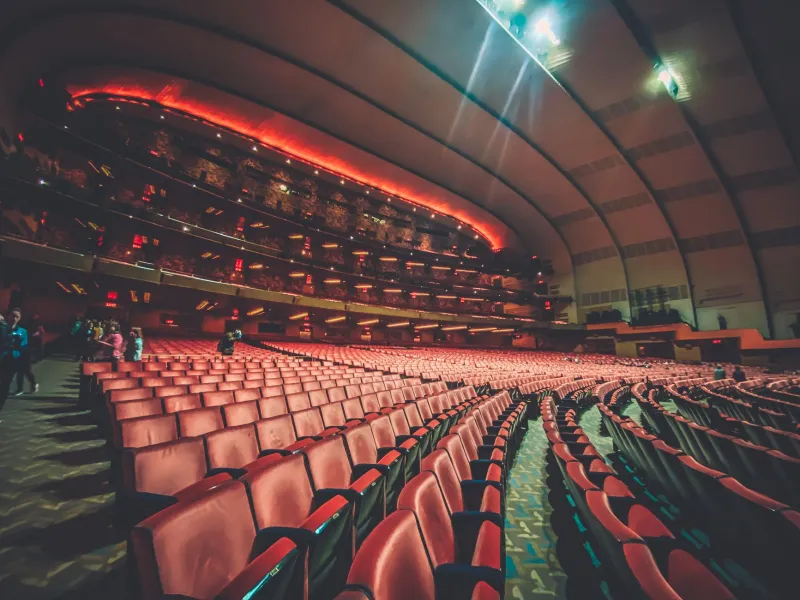
On a wet Tuesday in November, the house lights at a Hackney studio theatre stay at half. The doors are left open. A pre-show note explains that audience members can move, make noise, leave and come back. Nobody tuts. That is the easy bit. The harder bit is everything that made the room feel safe before the first actor walked on.
Across Hackney in 2026, relaxed and sensory-friendly performances have moved from the margins of a season brochure to something closer to a regular fixture. You will find them in main houses, studio theatres and comedy rooms above pubs. The best of them are not simply standard shows with the volume turned down. They are built on a different contract between performer and audience: one that says your comfort matters, your body is welcome, and nobody is going to be shamed for needing something different.
More Than a Softly Lit Matinee
Relaxed performance has a reputation problem. Too often it is sold as a single afternoon slot with the lights up and the loud bits softened, then everyone goes back to normal. That is better than nothing, but it is not the whole job.
'If the only change is the lighting cue, you have not made a relaxed performance,' says Priya, an access coordinator who works with venues across east London. 'You have made a slightly kinder version of the same room. The work starts earlier: in the script read, in the front-of-house briefing, in how you write the website copy, in whether someone can get a seat without having to explain their whole medical history to a stranger.'
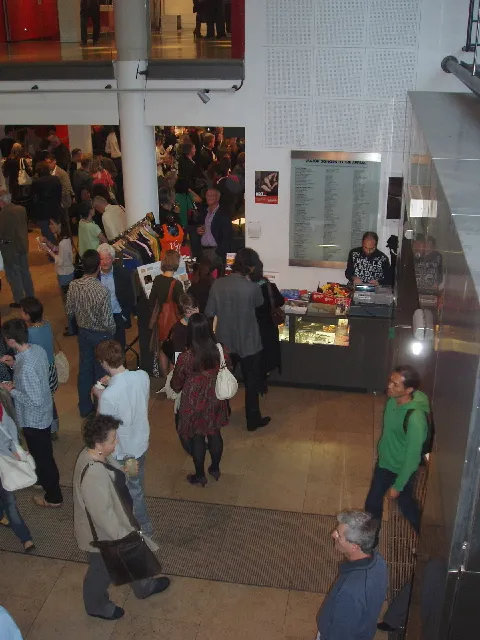
What that looks like in practice varies. At one Hackney theatre, the pre-show visual story includes photographs of the foyer, the bar, the toilets and the exact seat layout. At another, the front-of-house team carries a small box of ear defenders and fidget toys, not as a gimmick but because asking for them should be as ordinary as asking for a cushion. Chill-out spaces are becoming more common, though the good ones are not just a corner of the bar with a beanbag. They are quiet, signposted and staffed by someone who knows what the space is for.
What Works When the Room Is Allowed to Wiggle
The most striking thing about a well-run relaxed show is how little it feels like a concession. Audiences chat quietly. People get up and stretch. A child hums. A phone screen glows for a second and then goes dark. The performers adjust without making it a thing.
That flexibility is not about lowering standards. It is about widening the range of people who can be in the room. For neurodivergent audience members, people with sensory processing differences, families with small children, and anyone who finds conventional theatre etiquette exhausting, the difference is enormous. It can be the difference between buying a ticket and staying at home.
Marcus, a comedian who has hosted relaxed-friendly nights in Hackney, says the biggest shift is in the compere's job. 'You have to explain the rules without making anyone feel like a problem,' he says. 'So you say: you can move, you can leave, you can make noise. You do not say: please try to be quiet. The wording matters. The room takes its cue from you.'
The Tokenism Trap
There is a version of relaxed performance that feels like a box-ticking exercise. It happens when a venue books one show a year, puts a paragraph on the website at the last minute, and does not train the staff working the door. It happens when the chill-out space is a corridor. It happens when the marketing uses language that makes access sound like a favour rather than a right.
Audiences notice. They notice whether the box office knows what a relaxed performance is. They notice whether the bar is blaring music next to the quiet room. They notice whether the show itself has been thought about, or whether the same aggressive sound design has simply been turned down a notch.
The fix is not always expensive. It is often about sequence and seriousness. Ask access workers early. Put the information in the same place as the ticket link. Brief every member of staff, including the freelancers. Make the chill-out space genuinely quiet. And if you cannot do it well, say so honestly rather than promising more than the room can deliver.
Small Budgets, Real Changes
Hackney's smaller venues do not have the budgets of the big producing houses, but they have something else: flexibility. A pub comedy room can reserve two aisle seats and tell the compere to mention the exit. A studio theatre can print a large-print set list. A fringe company can add a content note to the programme and mean it.
The costliest changes are usually the ones that require time: training, planning, consulting. The cheapest are often the most visible: clear signage, a quiet corner, a staff member who knows where the accessible toilet is, a website that does not hide the access information three clicks deep. Those are not decorative extras. They are the difference between a welcoming room and a room that only welcomes people who already know how to navigate it.
The Standard, Not the Special
The next step for Hackney is to stop treating relaxed performance as a special event and start treating it as part of how a season is built. That does not mean every show has to be relaxed. It means access should be in the planning conversation from the start, not bolted on after the poster is printed.
For audiences, the message is simpler. If you have been put off theatre or comedy because the room felt rigid, loud or judgmental, look for the relaxed listings. Ask the venue what they actually do. The good ones will tell you. The great ones will already have thought about it.
And for venues, the challenge is plain. Dimmed lights are a start. Open doors are better. But the real work is making sure that when someone walks through those doors, they are not just tolerated. They are expected.