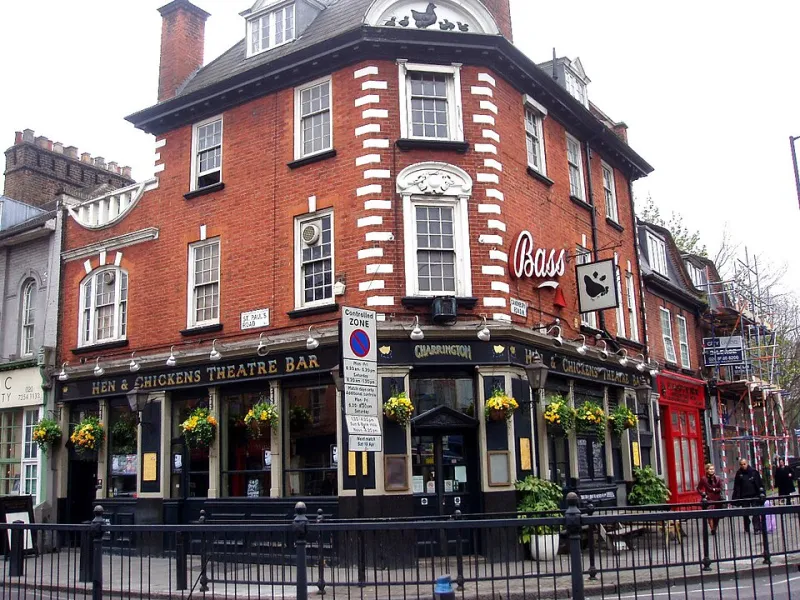
The Seat That Might Appear: Chasing Returns Through Hackney’s Sold-Out Nights
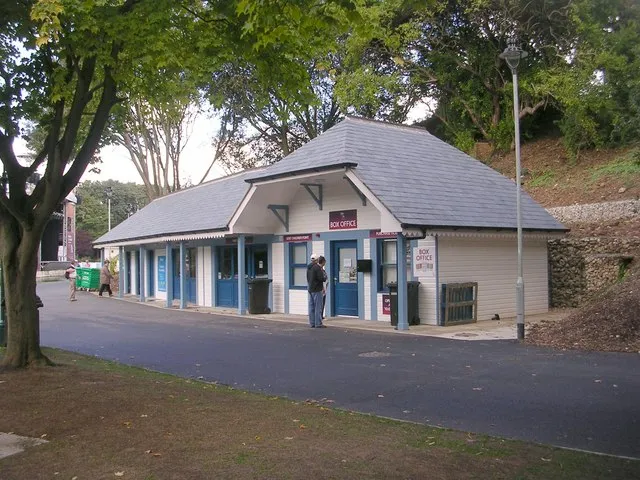
Photo: Betty Longbottom , CC BY-SA 2.0, via Wikimedia Commons
At 7.12pm on a Friday, outside a 90-seat theatre just off Mare Street, six people are doing the same thing: checking their phones. The show is sold out. It has been sold out for weeks. But the box-office window is still lit, the door is still ajar, and somewhere inside a staff member is looking at a list of names and a screen full of seats that are not quite confirmed.
This is the last-minute ticket rush, though it rarely looks like a rush. In Hackney’s theatre and comedy rooms, it is more of a low hum: a phone ringing, a page refreshing, a queue of two or three people trying to look casual while their evening hangs on somebody else’s change of plan.
The list is not a queue
Most venues will tell you the same thing: a waiting list is not a queue in the supermarket sense. It is a living document. People join it by phone, online or in person. Some leave it when they realise they cannot make it. Others call back twice. Staff have to work out who gets the first ring when a seat is released — and how long to wait before moving on.
That is where the five-minute window comes in. A returned ticket is not simply a seat. It is a decision with a timer attached. Box-office staff call the next name, explain the price, take payment, send confirmation. If the person hesitates, the seat may go back into the system. If they say yes, they have five minutes to make it work: leave the pub, find the right door, text whoever they were with.
In a larger venue, this is software. In a Hackney fringe room, it is often one person with a clipboard, a card reader and a remarkable memory for faces. The best box-office staff are part air-traffic controller, part host, part therapist. They know that the person on the phone might be nervous about coming alone, or might have spent the week trying to find a night that fits around childcare.
Refresh, call, queue
The audiences have their own tactics. Some refresh the booking page every few minutes, convinced that persistence pays. Some ring the box office directly, because a human being can sometimes see the thing the website cannot. Some turn up in person, on the grounds that hope is more persuasive when it has shoes on.
There is no single trick. A ticket might be released because a cast member’s guest cannot make it. A press comp might go unused. A group booking might shrink from four to three. A no-show might be confirmed only after the show has started, by which point the empty seat has been visible to everyone in the room.
What looks like a scramble is actually a negotiation between the venue’s need to fill the house and the audience’s need for certainty. On a good night, both sides get something. On a difficult night, someone is left outside at 7.29pm, still refreshing.
The no-show arithmetic
Sold-out does not always mean full. No-shows are a fact of life, especially in a city where trains fail, babysitters cancel and people mistake a later start time for an earlier one. Venues handle this differently. Some hold released tickets until the last possible moment. Some release them in batches. Some keep a house list for artists, producers and people who have travelled across London on a hope.
The progressive argument for transparency here is simple: if a room is going to have empty seats, the public should have a fair shot at them. That means clear waiting-list rules, no hidden fees bolted on at the final click, and a bit of thought about price. A last-minute ticket should not become a luxury item just because the clock is ticking.
Some Hackney venues already do this well. They cap booking fees. They offer returns at the original price rather than a surge price. They let people join a list without having to download an app. It is not glamorous work, but it is access work.
What the window tells us
Stand outside a sold-out comedy night in Dalston or a small theatre in Stoke Newington and you can see the whole thing in miniature. The last-minute ticket economy rewards flexibility: people who can drop everything, who live nearby, who do not need to arrange a carer or catch the last train home. That is not a meritocracy of enthusiasm. It is a lottery shaped by time, money and postcode.
Still, there is something hopeful about the five-minute window. It means the room is not sealed. It means a plan can change. It means the person who missed out at 6pm might be sitting in the second row by 7.35pm, slightly out of breath, programme folded into a coat pocket.
At 7.17pm, the box-office door opens. A name is called. Someone steps forward, pays, and disappears into the warm noise of the foyer. The queue exhales. The screen updates. The show, almost, goes on.