One Glove, a Folded Script and a Crayon Sun: Inside Hackney's Lost-Property Ledger
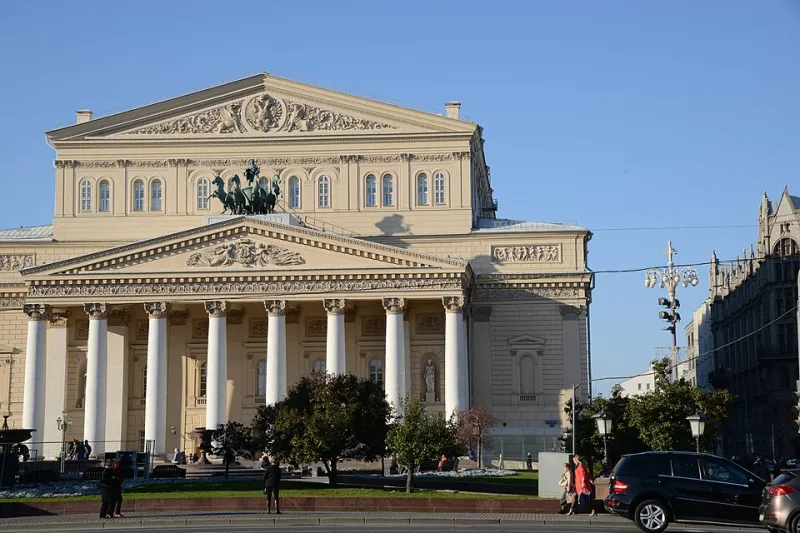
Photo: Jorge Láscar from Melbourne, Australia, CC BY 2.0, via Wikimedia Commons
It is 11.20pm on a wet Thursday in November 2026, and the last stragglers have finally been eased into the Hackney night. The bar staff are stacking glasses. A technician is coiling cables in the dark. And behind the box office of a 90-seat room off Mare Street, a front-of-house manager is doing what she calls “the archaeology of a good night out”: tipping the contents of the lost-property box onto a counter.
Tonight’s haul is modest but strange. One umbrella with a broken spoke. A single red glove, soft as a worn paperback. A child’s drawing of a sun wearing a crown, folded into quarters. A script with DO NOT LOSE written on the cover in biro, then underlined twice. A pair of reading glasses. A phone charger. A scarf that still smells faintly of someone else’s perfume. And a small Tupperware labelled, with commendable honesty, “not hummus”.
The Box Behind the Box Office
Most Hackney venues have a version of this box. Some are plastic crates. Some are shelves in a corridor that everyone walks past and nobody quite owns. At one Dalston theatre, the rule is simple: log it, date it, photograph it, and give it three weeks. At a comedy room near London Fields, the policy is more improvisational — a bin bag under the stairs and a group chat that lights up whenever someone asks, “Did anyone leave a very specific hat?”
What looks like clutter is actually a small system of care. Front-of-house staff are trained to notice the expensive coat, the child’s toy, the mobility aid, the prescription glasses. They are also trained not to announce every lost item on social media. A script can contain a writer’s home address. A child’s drawing can contain a school name. Lost property is a minor data-protection problem dressed as a pile of scarves.
“You learn quickly that the object is never just the object,” says Priya, a duty manager who has worked in Hackney venues since 2019. “The umbrella is someone’s whole journey home. The glasses are someone’s ability to get home. The drawing is usually the thing that makes a parent cry when they come back for it.”
What a Single Glove Can Tell You
The single glove is a classic. It suggests a rush, a pocket, a child’s hand pulled free, a phone checked at exactly the wrong moment. It also suggests that the owner was probably not a regular theatregoer who arrived with a neat plan. They were someone balancing a drink, a coat and a bag, trying to find their seat in the dark. In other words: most of us.
The script is more mysterious. Was it left by an actor from a visiting company? A playwright who brought a draft to a scratch night? A student who came to a Q&A and wanted notes? The cover says DO NOT LOSE in the way that only something already at risk of being lost ever does. On the inside page there is a list of names, a coffee ring, and the phrase “try it faster?” underlined in pencil. The stage door team recognises the handwriting. By Friday lunchtime, the script is back with its owner, who works at a venue two streets away and had been mildly panicking since midnight.
Then there is the crayon sun. It is drawn on the back of a relaxed-performance programme, the kind with a visual story and a map of the foyer. The sun has a crown and a smile and a tiny speech bubble that says “HELLO”. It is the sort of object that could easily be binned by an exhausted cleaner. Instead, it is photographed, pinned to the noticeboard, and posted to the venue’s Instagram stories with the caption: “Small artist, you left this. We think it’s brilliant. Come and get it.”
The Ethics of Keeping Things
Lost property forces venues to make small ethical decisions all the time. How long do you hold on to a coat before it becomes a storage problem? Do you wash a scarf before donating it? Do you give unclaimed umbrellas to a local charity, or keep them by the door for the next rainy night? Who gets to decide that a child’s drawing is worth more than a forgotten charger?
Many Hackney venues now try to be temporary custodians rather than accidental hoarders. Clothes are laundered and passed to nearby charity partners after a set period. Electronics are wiped or recycled. Scripts and notebooks are returned to named contacts or shredded. Umbrellas are often repaired, because a venue with a spare umbrella is a venue that can lend one to a soaked audience member after a show. It is not glamorous work. It is, however, a form of hospitality that happens after the hospitality is supposed to be over.
The progressive bit is not complicated. It is simply refusing to treat people’s belongings as rubbish just because they are inconvenient. It is also refusing to shame the person who left them. Nobody needs a lecture about sustainability when they are already standing at the box office in the rain, asking if anyone found a red glove.
The Crayon Sun Comes Home
The following Saturday, a parent emails the venue. The drawing is theirs. Their child had been nervous about the show — the lights, the noise, the unfamiliar room — and had spent most of the second half drawing instead of watching. The sun, apparently, was “the light lady” who operated the follow spot. The child had decided she was a queen.
By Monday, the drawing is back on the family’s fridge. The venue keeps a photocopy in its office, because you do not throw away a review like that.
And the lost-property shelf goes on doing its quiet work: a single glove, a folded script, a scarf that still smells of someone else’s perfume. A tiny, accidental archive of who came out in Hackney, what they carried, and what they forgot on the way home. If you have left something behind, ask. The box is not glamorous. But it is, in its way, still part of the show.