The Light Left On: What Hackney's Empty Stages Say After the Last Exit
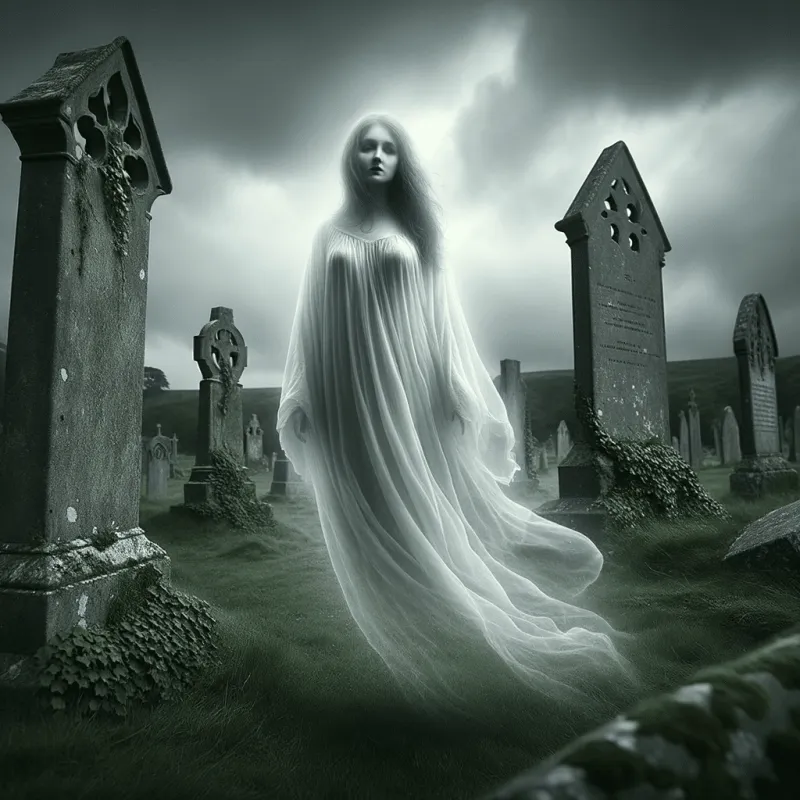
Photo: ghost light bare bulb on empty theatre stage dark auditorium, via connectparanormal.net
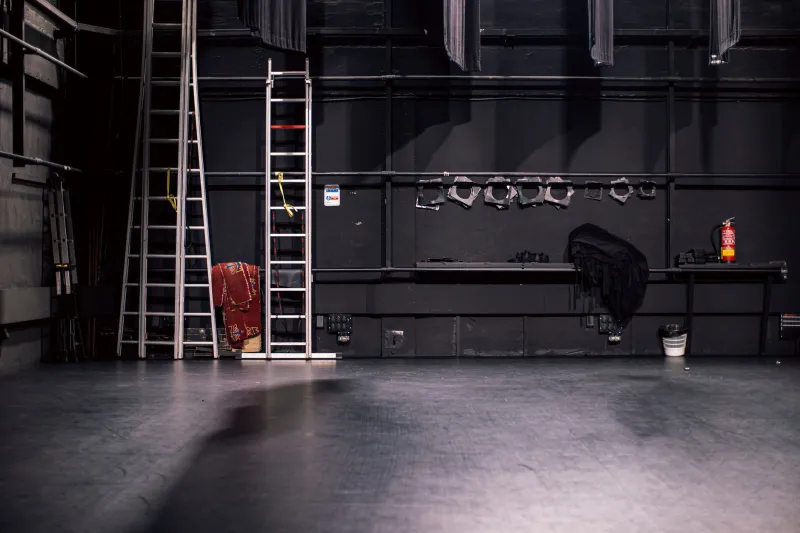
At 11.17pm on a wet November night in Hackney, the last audience member has been gently nudged towards the bar, the last glass has been stacked, and the last fire door has been checked. The stage is empty. The seats are empty. And yet, near the back wall, one light is still on.
It is rarely a glamorous light. More often than not it is a bare bulb in a wire cage, a battered anglepoise with a coffee ring on the shade, or a small LED lamp that looks like it belongs in a cupboard. This is the ghost light: the lamp left burning on stages after everyone has gone home. Stage 3 Hackney spent a week asking around Hackney's theatres, pub rooms and converted warehouses about the bulbs that never quite clock off.
A bulb with a job description
The ghost light is not, strictly speaking, a legal requirement. You will not find it written into the Theatres Act. But ask anyone who closes up a venue and they will tell you it is standard practice — and for good reason. A stage is full of edges: the lip of the rake, the back of a set piece, the place where a chair was left, the step down to the wings. In the dark, those edges become traps.
So the ghost light does unglamorous work. It gives cleaners enough light to see the cables. It stops a duty manager from walking into a flats stack at midnight. It tells a security guard that the building is still occupied by something other than the alarm system. At one venue in Hackney Wick, the ghost light is clipped to a lighting bar and angled at the floor; at a pub theatre off Mare Street, it is an old bedside lamp with a cracked base that has somehow survived three refurbishments. Neither is stylish. Both are doing a job.
The stand in the corner
Every venue has its own ghost light personality. Some are practical: a work lamp on a telescopic stand, bought from a hardware shop on Kingsland Road and repaired with gaffer tape. Some are sentimental: a bulb salvaged from a dressing-room mirror, kept because it gives a warmer glow than the modern replacements. Some are frankly improvised: a bike light, a camping lantern, whatever was in the drawer when the last person left.
The point is not the object. The point is the ritual. The ghost light is switched on after the get-out, after the post-show notes, after the bar takings have been counted. It is switched off when the next person arrives — often the stage manager, sometimes the cleaner, occasionally the person opening up for a morning rehearsal. In between, it holds the room.
Who gets to leave it on
Here is where the ghost light gets interesting. It is a small, visible piece of invisible labour. The person who switches it on is usually the same person who checks the fire exits, empties the kettle, arms the alarm and remembers that the prop table still has a half-eaten packet of biscuits on it. In a sector running on goodwill and tight schedules, that matters.
A stage manager who has worked across Hackney for more than a decade describes the ghost light as a handover in bulb form. It says: someone was here, someone checked, someone will be back. It is not romantic to put it on a closing checklist. It is romantic that it gets done anyway. The best venues build it into the rota rather than relying on memory. The worst venues rely on the last person out remembering, which is how you end up with a dark stage and a security guard doing a torch-lit tour at 2am.
Superstition, but not the spooky kind
The old stories are still told. The ghost light keeps the theatre's ghosts company. It gives them permission to perform. It stops them from causing mischief. Some of that is tongue-in-cheek, some of it is sincerely felt. Theatres are superstitious places, and a building that transforms itself every few weeks can feel unsettled when the set comes down.
But the version of the ghost light that makes most sense in Hackney is less supernatural. It is about care. A room between shows is not dead. It is resting, being swept, being repainted, being re-rigged. The ghost light says the building has not been abandoned. It is a boundary object between show and no-show, between audience time and working time. It is also a quiet act of consent: the stage is not yours to stumble across in the dark.
The 2026 version
Energy bills being what they are in 2026, you might expect the ghost light to be under threat. Mostly it is not. Venues have swapped tungsten for warm-white LED, added timers, and moved to lamps that use less than a fridge door. One technician tells me the ghost light is one of the last things anyone would cut, because the cost of a fall or a damaged set is far higher than the cost of a bulb.
There is a sustainability argument too. A well-chosen LED ghost light can run all night without much guilt. The trick is not to let it become an excuse for leaving every other light on. The ghost light is a signal, not a floodlight. It should be bright enough to see the edge of the stage and dim enough to let the building settle.
What the glow is for
Walk past a Hackney theatre late at night and you might see a faint glow through a fire door or a high window. It is easy to read it as a ghost story. It is easier, and truer, to read it as a rota. Someone switched that on. Someone will switch it off. In between, the room is held.
The ghost light is not the most important thing in a theatre. It is not the show, the ticket sales, the access work or the pay negotiations. But it is a small, stubborn sign that the place is looked after. One bulb, every night. It says: not yet. Not empty. Not forgotten.