Six Rooms, One Scene: The Hackney Cellars Turning Open Mics Into National Tours
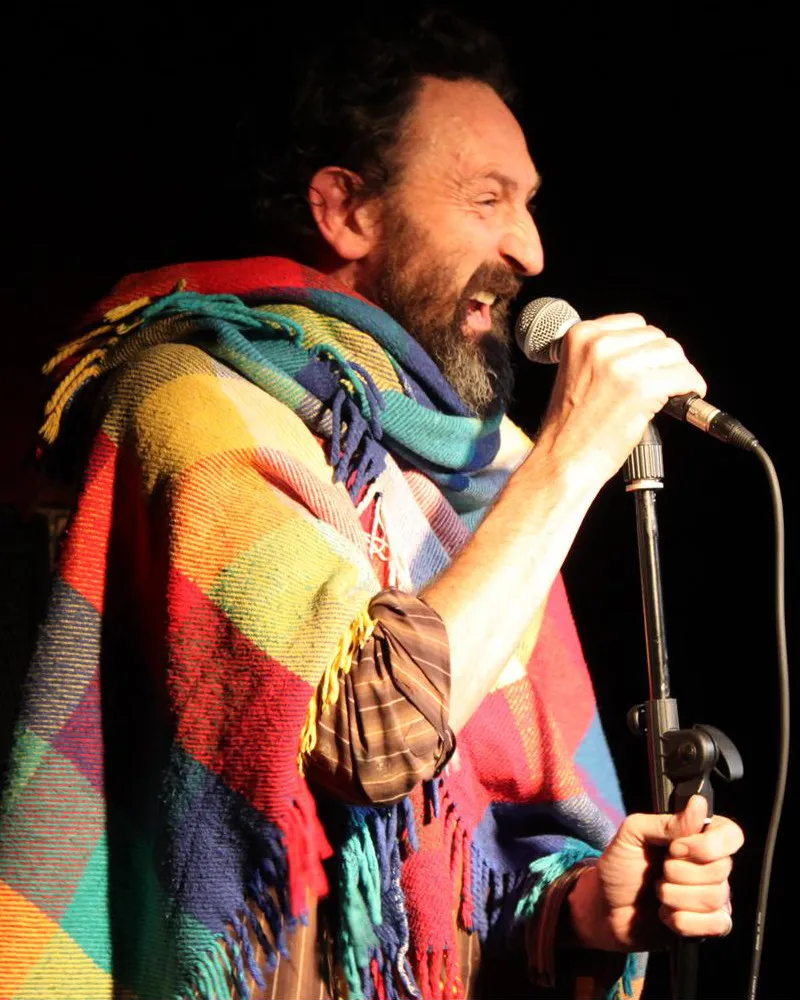
On a wet Thursday in November 2026, the back room of The Bell on Lower Clapton Road is doing what it does best: smelling faintly of beer, radiator dust and nerve. Leah Mbeki is mid-set, holding a plastic pint glass like a sceptre, telling a story about trying to be a good ally at a wedding. The audience is 40-odd people, packed onto mismatched chairs. Nobody is famous. Everybody is paying attention. This is where Hackney’s comedy circuit lives: not in the glossy clubs, but in six rooms that bookers, comics and late-night cleaners have turned into a national launchpad.
The Bell, Lower Clapton: the room that smells of revolution and crisps
The Bell’s back room is the kind of space where the radiator clanks in rhythm with the punchlines. Nadia Cole, who has booked the Thursday night for four years, calls it ‘a room that tells you what it is’. There is no velvet rope, no two-drink minimum, and no pretence that a comic is doing you a favour by turning up.
‘We programme like a mixtape, not a menu,’ Cole says. ‘You want a new act next to someone with a tour under their belt, and you want the audience to trust you enough to go with it.’ That trust has paid off. Two of the comics who did ten minutes here in 2024 were back in 2026 previewing full Edinburgh hours. Neither would have got the gig at a traditional club.
The Bell is not perfect. The toilets are tight, the step-free access is technically there but hardly dignified, and the door take is split three ways. Still, it is the first room many Hackney comics call home. ‘It’s where you learn to fail in front of people who want you to succeed,’ says Mbeki. ‘That’s rare.’
The Ridley Basement, Dalston: the waiting list with a conscience
Down a set of stairs that feel designed for a fire drill, The Ridley’s basement holds 30 people if nobody breathes out. Booker Sam Ferris runs a mixed bill every Sunday: stand-up, character, a bit of clowning, the occasional poet who has been mis-sold the night. The waiting list for a five-minute spot is six weeks long.
‘We don’t book on vibes alone,’ Ferris says. ‘We book on whether someone is saying something only they could say. Hackney has a thousand open mics. The difference here is that we pay a small guarantee, even if it’s £15, because exposure doesn’t buy a travelcard.’
The room’s reputation is built on risk. A comic can bomb here at 7.30pm and be watched by a producer from a national tour at 8.15pm. That producer might be in the corner with a notebook, pretending to check emails. Everyone knows. Nobody says. The basement has become a low-key audition room for the UK circuit, and it has done so without turning into a smug industry night.
The Castle Loft, Stoke Newington: the test lab for touring shows
Upstairs at The Castle, the ceiling is low enough to make tall comics develop a stoop. Priya Shah books a monthly night that has become a quiet favourite for comics with tours to build. The deal is simple: 20 minutes, £50, no headliner, no comps for mates who won’t laugh.
‘Touring comics need rooms where they can try the weird middle bit without a graphic on the wall saying “tour support”,’ Shah says. ‘Hackney gives them that. You can fail here on a Tuesday and nobody puts it on a podcast.’
The Castle is where polished material goes to get messy again. Shah recalls a comic arriving with a slick hour about heartbreak and leaving with a new opening bit about their nan’s mobility scooter. ‘The audience here will tell you when you’ve gone soft,’ she says. ‘They’re not cruel. They’re just not impressed by polish.’
Night Kitchen, Hackney Central: cabaret with teeth
Night Kitchen is the closest thing Hackney has to a variety room that refuses to be quaint. Booker Jessie Wren programmes queer and trans comics, drag acts and musicians who can hold a room without a backing track. The night is loud, glittery and deliberately unbothered by the idea that comedy has to look like a panel show.
‘We’re not a safe space because we put a sticker on the door,’ Wren says. ‘We’re a safe space because we book people who know how to handle a heckle without turning it into a culture war.’
The room has become a launchpad for comics who later sell out bigger venues without losing the cabaret audience that found them first. Wren is wary of being called a feeder night. ‘We’re not a pipeline for someone else’s tour,’ she says. ‘We’re a room. If people get a tour out of it, great. But the night has to be good on its own terms.’
The Hackney Cellar, Mare Street: pay-what-you-can, no apologies
The Hackney Cellar is a proper basement: low light, low ceiling, a bar that sells crisps and a door policy that asks for whatever you can afford. Booker Tomás Byrne runs a pay-what-you-can night on Wednesdays that has become a lifeline for working-class comics who cannot afford to gig for free across London.
‘The door split is not charity,’ Byrne says. ‘It’s an economic model. If you want a scene that isn’t just people with independent means, you have to pay people and you have to keep tickets cheap.’
The Cellar’s audience is a mix of locals, students, night-shift workers and comedy nerds who have learned that the best £6 they’ll spend all week is down a staircase on Mare Street. The bills are rough, the sound is worse, and the comedy is often extraordinary. It is also where a lot of national tour material gets its first proper laugh.
The Yard Upstairs, Hackney Wick: polished but not polite
Finally, there is The Yard’s upstairs bar, which books a comedy night that looks suspiciously professional. Booker Ali Hussain has a knack for putting a cult comic next to a TV warm-up act and letting the room decide. The sightlines are good, the microphones work, and the bar staff know when to stop clinking glasses.
‘Polish isn’t the enemy,’ Hussain says. ‘Politeness is. You can have a nice room and still take a risk. The two aren’t mutually exclusive.’
The Yard is where Hackney comics take their first proper industry night, the one with agents in the audience and a tour offer in the follow-up email. But Hussain insists the room is not a showcase. ‘It’s a gig,’ he says. ‘The second you programme for the industry, the audience can smell it.’
Why these six rooms still matter
Hackney has lost venues. It has lost rehearsal rooms, late licences and a fair few pubs that used to let a comic do ten minutes for a pint and a bus fare. The six rooms above are not immune to rent rises, noise complaints or the slow creep of flats where warehouses used to be. But they are still doing the work: paying small fees, sharing door money, booking people who don’t look like the panel shows, and letting a comic die on a Thursday so they can fly on a Saturday.
The UK comedy circuit talks about ‘the regions’ as if London is one place. It isn’t. Hackney is its own ecosystem, with its own humour, its own grudges and its own stubborn belief that a back room with a bad radiator can still launch a national tour. By 11pm, The Bell’s chairs are stacked, the ashtrays are empty, and the next batch of comics is already asking Nadia Cole for a spot. The answer is usually no. But sometimes it’s yes. That’s the whole game.