The Spare Pair of Shoes: A Saturday With Hackney’s Fringe Covers
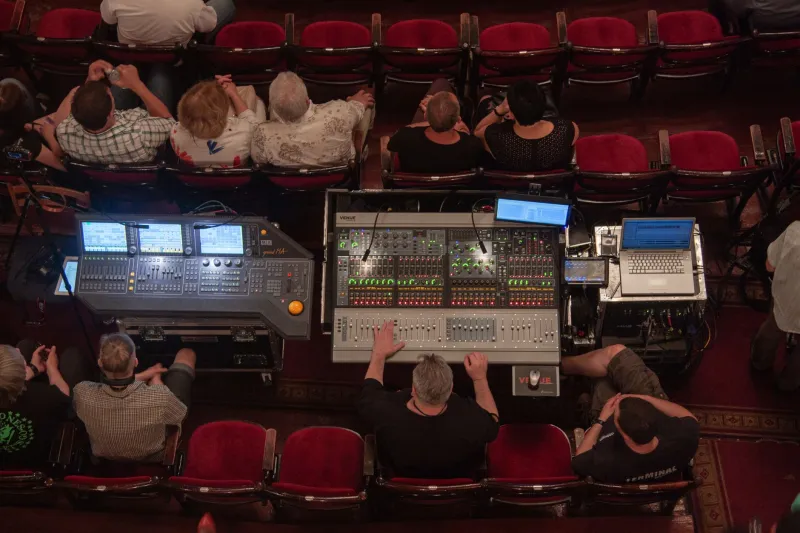
It’s 10.15 on a grey Saturday morning and the room off Mare Street already smells of coffee, dust and the particular anxiety of a printer running out of toner. A cast of six is walking the opening scene. A seventh person sits slightly apart, script open, pencil moving. She is not in this scene. She knows it anyway.
This is the world of the fringe cover: the understudy, the swing, the second person who learns the part just in case. In a 70-seat Hackney theatre, the cover system is rarely a luxury. It is a patchwork of goodwill, careful scheduling and people who are willing to hold an entire show in their heads while someone else gets the applause.
The Script With Too Many Sticky Notes
The cover’s script is not a clean script. It is a document that has been lived in. Lines are underlined in three colours. Blocking notes crowd the margins: “cross DS on ‘glass’”, “don’t rush the pause”, “watch the trap”. There are tiny diagrams of the stage, arrows for quick changes, and at least one warning about a loose bit of lino by the wing.
“You learn the part, but you also learn the building,” says Nia, a cover on today’s show. “I know which stairs creak, which door slams, where the prop table is when the lights go down. If I go on, I don’t want to be discovering the room at the same time as the audience.”
That distinction matters in small venues. In a big producing house, a cover might get a paid understudy run with a full technical rehearsal. In fringe, the cover often gets a morning call, a hurried line-run and a lot of goodwill. The result is a performance that can be startlingly good — and held together by preparation that looks, from the outside, almost obsessive.
The Cover Run
By 11.30, the cast has moved on to a scene that involves a table, two chairs and a very specific business with a teacup. The lead actor is working through a tricky emotional gear change. The cover is watching the teacup.
“It’s the props that get you,” Nia says later. “You can know every line and still go blank because you’re holding the wrong mug. Or because the mug isn’t there. Or because someone moved it to the shelf by the radiator.”
So the cover run is not just a line run. It is a physical rehearsal of contingency. Where do I stand if the sofa has been shifted? What do I do if the sound cue comes late? How do I get from the upstage door to the quick-change rail without colliding with the stage manager, who is also carrying a bucket?
In Hackney’s fringe rooms, these questions are not hypothetical. They are Tuesday.
The Kit: Swing Charts, Pencils and a Spare Shoe
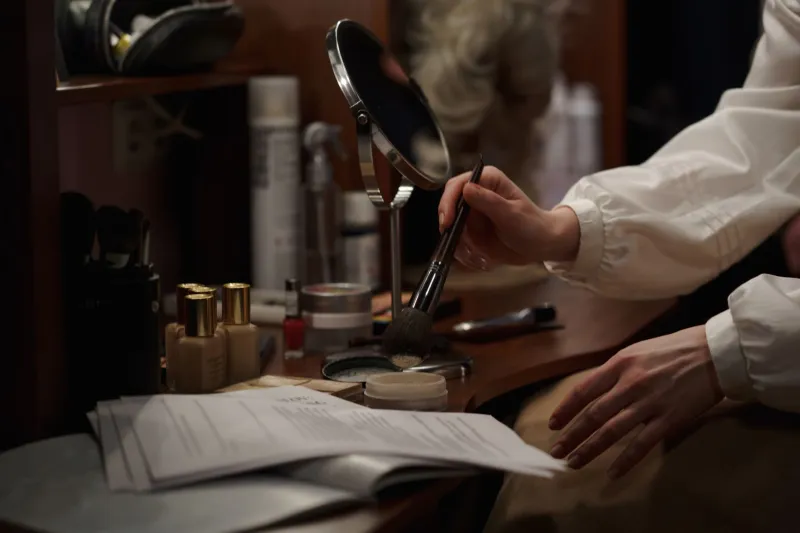
The cover’s bag is its own small production office. There is the annotated script, usually in a plastic wallet because venues are damp and actors carry coffee. There is a pencil case — pencils, not pens, because blocking changes. There is a phone with photos of the set, the costume rail, the backstage route. There is a swing chart if the show has one: a grid of who covers whom, which track is which, and which quick change is likely to cause a crisis.
And there are shoes. Not always the right shoes. Sometimes a spare pair that will do if the call comes at 7.10pm and the actual costume shoes are on someone else’s feet in a different scene.
“You build a kit for the job you might have to do,” says Cal, a stage manager who has worked across several Hackney fringe venues. “The cover needs to be able to step in without the whole backstage operation collapsing. That means knowing the track, knowing the props, knowing when to ask for help. It’s not about being a hero. It’s about being calm.”
The Long Wait
By early afternoon, the rehearsal has broken. The lead actors go for lunch. The cover goes to the pub with the script, because the script is still working.
This is the emotional labour nobody puts on the poster. Being a cover means being permanently half-on. You cannot fully relax into the day because the day might change. You watch the lead actor’s voice, their ankle, their energy. You notice when they look tired. You feel guilty for noticing, because you want them to be brilliant. You also want to be ready.
“There’s a weird grief to it,” Nia says. “You love the show. You want the show to fly. But you’ve also built this whole other version of it in your head, and most of the time nobody sees it. You have to make peace with that.”
That peace is part of the job. In 2026, as UK theatre continues to talk about sustainable contracts, mental health and fair pay, the cover question keeps surfacing. Understudying is having a quiet moment — not because it is new, but because the industry is finally asking who gets to be visible, who gets to be safe, and who gets to be paid for the work of waiting.
The Call
It comes at 6.42pm. The lead has a throat that has gone from “a bit scratchy” to “no”. The stage manager makes the call. The cover is already at the venue, because the cover is always at the venue.
What follows is not glamorous. It is a sequence of small, fast decisions. Costume adjustments. A quick line-run in the corridor. A check of the prop table. A hug from the lead, who is both sorry and relieved. A final look at the script, then the script goes in the bag. The bag goes under the desk.
At 7.30, the cover walks on. The audience does not know. That is the point. The show is not about the substitution. It is about the room holding together.
After the Curtain
Later, in the bar, the cast is loud and loose. The cover is quieter. Somebody buys them a drink. Somebody says, “You should have seen the first night.” Somebody else says, “You were better.” It is a fringe compliment: sincere, slightly chaotic, entirely meant.
Outside, Mare Street is wet and bright. The spare pair of shoes is still in the bag. The script is still annotated. Tomorrow there is another show, and the cover will be ready again — unseen, useful, and quietly essential to the whole improbable machine.