Last Laugh, First Train: The Unseen Choreography of a Hackney Comedy Night
Photo: cyvanceforda, CC BY-SA 2.0, via Wikimedia Commons
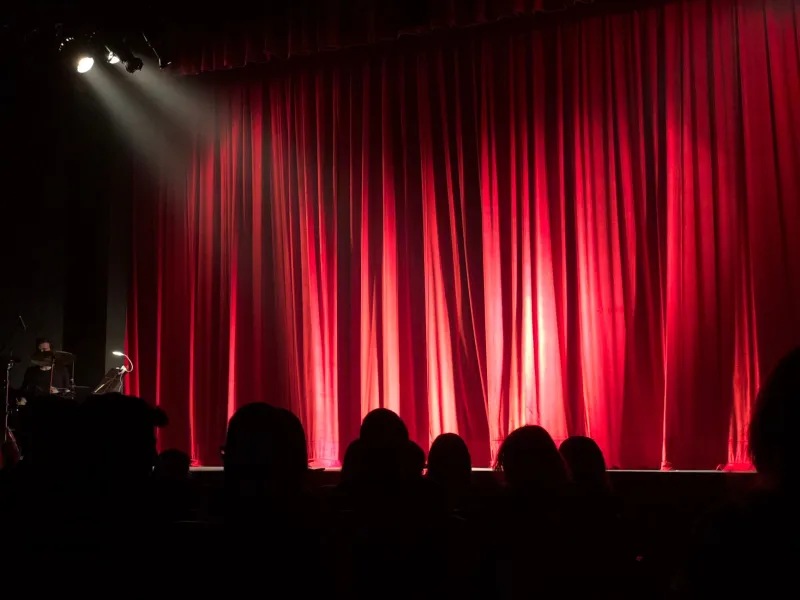
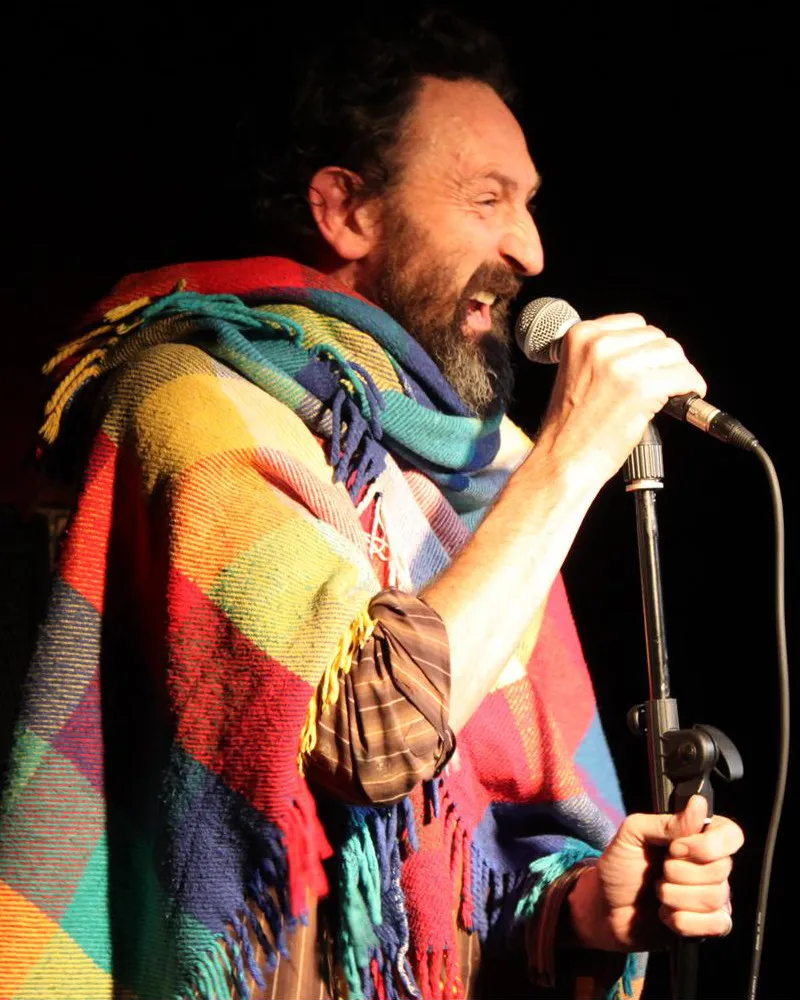
At 10.58pm on a Saturday in November, the room above a Hackney pub is still loud enough to feel like a promise. A comic is midway through a bit about the Overground, the front row is holding its sides, and the bar has that pleasant, sticky urgency of a last round. Up in the corner, the sound engineer is not watching the stage. She is watching a small screen with a number on it, and the number is creeping towards a line she has spent all night protecting.
The licence says 11pm. The last laugh has to land before the last train, and the street outside has to go back to being a street. What happens in those final minutes is not a killjoy’s intervention. It is a handshake — quiet, practised, and mostly invisible — between a venue, its neighbours and the people who have paid to be in the room.
The clock starts before the first laugh
A comedy night is not a music gig with fewer instruments. The human voice is a tricky thing to contain. It cuts through walls, bounces off brick, finds the gap under a sash window. Sound engineers in Hackney will tell you that a packed room laughing is a different acoustic problem from a band at full tilt: the peaks are sharper, the silences are deeper, and the punchline always arrives when you least expect it.
So the work begins early. Doors and window seals are checked. The PA is rung out before the first act, not during. Limiters are set, decibel meters are watched, and the between-act music is kept at a level that invites conversation rather than demands it. On paper it looks like bureaucracy. In practice it is a form of care: the room gets to be loud because the building knows exactly how loud it can be.
Hackney Council’s licensing team does not exist to stamp out fun. The conditions attached to a late licence are a negotiation with the fact that people live above, beside and behind the venue. The best venues treat those conditions not as a ceiling but as a choreography. The worst ones wait for a complaint and then panic. The difference is usually a sound engineer with a calm hand and a promoter who has built ten minutes of slack into the running order.
The door is a diplomatic post
Downstairs, the door supervisor is doing a job that has very little to do with saying no. He is the first face of the venue and the last one people see on the way out. He knows which neighbour has a newborn, which one works night shifts, and which one will ring the venue directly if a crowd gathers on the pavement at 11.15pm. He also knows that a queue of smokers can sound like a party from the other side of a wall.
The trick is not to police fun. It is to translate it. “Keep it to the pavement, folks” is a sentence delivered with a smile and a gesture. “Taxi’s two minutes, wait inside” is another. The door team manages the drift — the small eddies of people who leave early, take a call, or stand outside to cool down — so that the street never becomes an extension of the gig. Cups go back inside. Glass does not go on the wall. The smoking area gets a quiet-zone sign and a member of staff who actually looks at it.
None of this kills the atmosphere. If anything, it protects it. A room that knows it can empty cleanly is a room that can book the next late show. A venue that lets the pavement turn into a second auditorium is a venue that will eventually lose its licence, and then there is no atmosphere at all.
The resident liaison nobody sees
The most important person in this story is probably not in the building. They are on a WhatsApp group with the local residents’ association, or at a quarterly meeting in a church hall, or answering a phone number printed on a leaflet that went through letterboxes before the season started. Some Hackney venues call this a community liaison role. Others just call it good manners.
The progressive case for nightlife is not that residents should put up with noise. It is that a shared street can hold both a comedy room and a bedroom if everyone agrees on the terms. That means venues being reachable, honest and quick to respond when something goes wrong. It means residents knowing who to call before they call the council. It means the 11pm handshake is not a one-off gesture but a relationship with minutes and a diary.
One promoter I spoke to described it as “the unglamorous bit that keeps the glamorous bit alive.” The unglamorous bit looks like a sound check at 6pm, a leaflet drop in October, and a door team that knows the difference between a crowd and a neighbour. It is not a story anyone puts on a poster. It is the reason the poster can exist.
The walk-out choreography
At 10.55pm, the compere starts the close. Not the hard close — the soft one. A final joke, a thanks, a plug for the next show, and a house light that comes up just enough to suggest the night has a shape. The music shifts from between-act bangers to something conversational. The door team moves into position. The bar starts calling last orders in a tone that sounds like a suggestion rather than a threat.
The last ten minutes are the most choreographed part of the night. People need to find coats, finish drinks, say goodbye, argue about who is getting the bus. The venue wants them to do that inside, not on the pavement. So the exit is staged: a staff member at the door, a clear route to the taxi rank, a bus stop sign that actually points the right way. If there is a foyer, it stays open long enough for the after-show chat to have a home. If there isn’t, the door team becomes the foyer.
This is where the atmosphere could curdle. A rushed exit feels like a rejection. A slow, guided one feels like a goodnight. The venues that get this right understand that the last impression is not the last punchline. It is the walk to the bus stop.
What gets lost when the room goes quiet
There is an honest cost to all this. A curfew truncates the night. It can cut off the second encore, the extra bit, the loose, strange material that only appears when a room is really flying. It means the compere is always half-watching the clock, and the audience can feel the shape of the ending before it arrives. That is a real loss, and it is worth naming.
But the alternative is not an endless night. The alternative is a shorter season, a revoked licence, a venue that becomes flats. The 11pm handshake is not a compromise that kills the atmosphere. It is the reason there is still an atmosphere to kill. It is also, quietly, a progressive act: a recognition that culture and housing are not enemies, that the night-time economy has neighbours, and that a street can hold both a laugh and a lie-in.
At 11.07pm, the room is empty. The sound engineer is packing away a laptop. The door supervisor is saying goodnight to the last two people on the pavement. Somewhere across the street, a light goes off. The handshake has been made, again, without anyone clapping. That is the job.